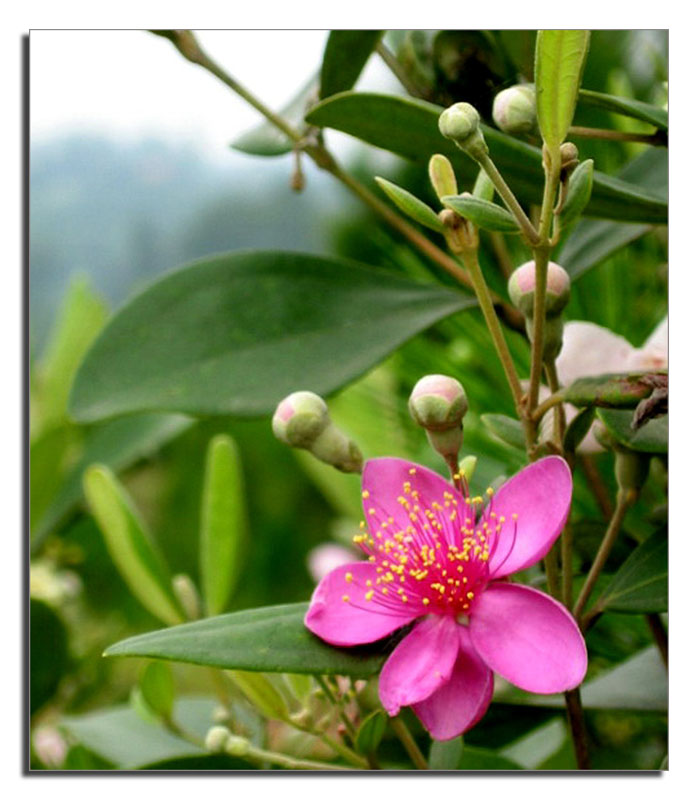
Of course, credit has to go to where it's due. This is the work of Christine Rabette in 2003 entitled "Merci!"
Friday, March 11, 2011
Wanna Laugh Till You Drop?
Enough sad stuff and grief and all that depressing mood dragging you down... Do you believe that laughter is contagious? I dare you to watch this clip and keep a straight face. Being a high quality freak... I am not too happy about the quality of this video clip that I swiped from the net somewhere. It's dark, it's not wide screen etc... but it is delightful. Watch it... You may want to have seconds.
Of course, credit has to go to where it's due. This is the work of Christine Rabette in 2003 entitled "Merci!"
Wednesday, March 09, 2011
Norwegian Grief
Haruki Murakami is a well known Japanese writer who has fantastic support from fans in Japan and also internationally. Norwegian Wood is one of his most successful novel written in 1987 that made him famous. Now, a very talented Vietnamese-French movie director, Tran Anh Hung, after 4 years of begging, was able to convince Murakami to allow his book to be made into a movie. Tran Anh Hung debuted his career with "The Scent of Green Papaya," went on to make "The Vertical Ray of the Sun" and he was the winner of a Golden Lion award at the Venice Film Festival in 1995 for Cyclo. I beg to differ here because I really do not like Cyclo too much. Nonetheless, I blogged a clip of that movie here. Beginning the project in July 2008, Tran Anh Hung finished Norwegian Wood very recently.
The film, shot in Tokyo and at some stunning Japanese countryside, was first screened at the Venice Film Festival in September of 2010, but did not go for general release in Japan until December 11, 2010. This year, the much-anticipated film has been shown in the Netherlands, Vietnam and the Czech Republic. It was screened at the Deauville Asian Film Festival in France on March 9 (which is today) before general release in the UK on Friday, March 11, in Sweden on March 18 and in Singapore in April. Germany will have to wait until July to see this title.
The fanfare at Deauville tickled my curiosity so I took a peek at the movie to see what the scoop is all about. One of the conditions Murakami demanded for his OK was that the movie must follow the book closely. Now, I know that's easier said than done... So I watched the movie... to see whether the movie director was able to remain faithful to the book. I was impressed with a scene in Norwegian Wood and want to share it with Murakami and Tran Anh Hung's fans worldwide.
I think that the motion picture version wins big in terms of imparting to the viewers the immense grief of the young man mourning the loss of the girl he loves deeply. The words in the book appear lame and can ill compete with the powerful image and sound of the motion picture. By watching this clip, you may be able to imagine in some way the extent of human grief upon the finality of the loss of a loved one. If I were Murakami, after watching this scene, I would rewrite that portion of my book.
If you have the time, read the book and go see the movie.
Tuesday, March 08, 2011
How to make and eat giant noodles
Director Yimou Zhang, famous for his movies such as Raise the Red Lantern (1991,) Hero (2002,) House of Flying Daggers (2004,) Curse of the Golden Flower (2006,) all beautifully filmed movies, ventured into comedy in this quite strange "A Woman, a Gun and a Noodle Shop" in 2009. It also was filmed with his keen artistic eyes but this movie bombed big time in the US. I guess comedy taste does change with geographical locations.
That movie was reported as follows::
Opening Weekend: $35,033 (USA) (5 September 2010) (5 Screens)
But I do like this clip taken from that movie, what do you think?
He is making "The 13 Women of Nanjing" now, and I need to get a peek at it when it becomes available in 2012. Did you know that he dated Gong Li? She had a very interesting role as Miss Hua in "The Hand," a short feature in the movie Eros... But I don't think I would blog that.

That movie was reported as follows::
Opening Weekend: $35,033 (USA) (5 September 2010) (5 Screens)
Gross: $190,666 (USA) (19 December 2010)
But I do like this clip taken from that movie, what do you think?He is making "The 13 Women of Nanjing" now, and I need to get a peek at it when it becomes available in 2012. Did you know that he dated Gong Li? She had a very interesting role as Miss Hua in "The Hand," a short feature in the movie Eros... But I don't think I would blog that.
Monday, March 07, 2011
Trong Mắt Em Là Biển Nhớ
Thơ: Trường Đinh
Nhạc: Ngô Thụy Miên
Ca Sĩ: Tuyết Dung
Từng đêm em về như môi sương
Từng lời em ru như gió buồn
Anh đan giấc mơ trên mây trời xa
Trên sóng tay em, anh là nhẫn cỏ
Em trong anh là màu hoa
Em trong anh là cơn sóng
Người ơi, như cánh diều bay trên đồng vắng
Giấc mơ anh cho em long lanh
Mình gọi tên nhau trong nắng hồng
Mình gọi quê hương trong mong manh
Tình ơi, dĩ vãng miền thật trắng
Kỷ niệm chiều xin mãi còn xanh...
Từng làn thu êm như hương hoa
Từng mùa thơ trao nắng quê nhà
Em thêu nhánh hồng bên giòng sông xưa
Trong mắt môi nồng, em là biển nhớ
Anh trong em là cơn mưa
Anh trong em là gió mùa
Người ơi, những lá me rơi bên sân trường
Đóa hoa gầy bay ngàn tha phương
Mình gọi tên nhau trong dỗi hờn
Mình gọi xuân về trên quê hương
Bao giờ, nắng nở trên nhụy trắng
Cho vơi nỗi nhớ một trời thênh thang
Nhạc: Ngô Thụy Miên
Ca Sĩ: Tuyết Dung
Từng đêm em về như môi sương
Từng lời em ru như gió buồn
Anh đan giấc mơ trên mây trời xa
Trên sóng tay em, anh là nhẫn cỏ
Em trong anh là màu hoa
Em trong anh là cơn sóng
Người ơi, như cánh diều bay trên đồng vắng
Giấc mơ anh cho em long lanh
Mình gọi tên nhau trong nắng hồng
Mình gọi quê hương trong mong manh
Tình ơi, dĩ vãng miền thật trắng
Kỷ niệm chiều xin mãi còn xanh...
Từng làn thu êm như hương hoa
Từng mùa thơ trao nắng quê nhà
Em thêu nhánh hồng bên giòng sông xưa
Trong mắt môi nồng, em là biển nhớ
Anh trong em là cơn mưa
Anh trong em là gió mùa
Người ơi, những lá me rơi bên sân trường
Đóa hoa gầy bay ngàn tha phương
Mình gọi tên nhau trong dỗi hờn
Mình gọi xuân về trên quê hương
Bao giờ, nắng nở trên nhụy trắng
Cho vơi nỗi nhớ một trời thênh thang
Tuesday, September 14, 2010
Confutatis
The Requiem Mass in D minor (K. 626) by Wolfgang Amadeus Mozart was composed in Vienna in 1791 and left unfinished at his death on December 5th, 1791. A completion by Franz Xaver Süssmayr was delivered to Count Franz von Walsegg, who had anonymously commissioned the piece for a requiem mass to commemorate the February 14 anniversary of his wife's death.
The Requiem was scored for 2 basset horns in F, 2 bassoons, 2 trumpets in D, 3 trombones (alto, tenor & bass), timpani (2 drums), violins, viola and basso continuo (cello, double bass, and organ or harpsichord). The vocals include soprano, contralto, tenor, and bass soloists and a mixed choir. It was never known how much of this work was finished by Mozart before his death.
Here is a dramatization of this story by Peter Shaffer's 1979 play Amadeus that later was made into the 1984 movie of the same name, directed by Milos Forman. This movie won 8 Oscar awards.
This clip is at the very end of the movie and it is quite sad but it contains some seemingly educated dramatization of how composers compose their orchestral music... How much is real and how much is fiction? Only a real professional musician may be able to tell. But this is great movie and music making and editing. When you are down and tearful, this Requiem may cheer you up. It does me. Go get a CD for yourself.
Of the ten parts, Confutatis and Lacrimosa are featured and they are listed here for you to enjoy...
Confutatis:
Confutatis maledictis,
When the damned are cast away
flammis acribus addictis,
and consigned to flames of woe,
voca me cum benedictis.
call me among the blessed.
Oro supplex et acclinis,
Bowed down in supplication I beseech Thee,
cor contritum quasi cinis,
my heart as though ground to ashes
gere curam mei finis.
help me in my final hour.
Lacrimosa:
Lacrimosa dies illa,
O this day full of tears,
qua resurget ex favilla
when from the ashes arises
judicandus homo reus.
guilty man to be judged:
Huic ergo parce Deus,
O Lord, have mercy upon him,
pie Jesu Domine,
gentle Lord Jesus,
dona eis requiem! Amen!
grant them eternal rest! Amen!
Watch until the very end of the clip... you may learn a few things by reading the end credits. The music you hear at the end is the second movement, Romance, of Mozart's Piano Concerto No. 20 in D minor, KV 446, by the Academy of St. Martin-in-the-Fields, conducted by Neville Marriner. Unless you are French, you may think you hear a strange language during the second part of this clip. I noticed it too late and too lazy to redo this clip... but the dialogue is not very important in this movie anyway, right?
The Requiem was scored for 2 basset horns in F, 2 bassoons, 2 trumpets in D, 3 trombones (alto, tenor & bass), timpani (2 drums), violins, viola and basso continuo (cello, double bass, and organ or harpsichord). The vocals include soprano, contralto, tenor, and bass soloists and a mixed choir. It was never known how much of this work was finished by Mozart before his death.
Here is a dramatization of this story by Peter Shaffer's 1979 play Amadeus that later was made into the 1984 movie of the same name, directed by Milos Forman. This movie won 8 Oscar awards.
This clip is at the very end of the movie and it is quite sad but it contains some seemingly educated dramatization of how composers compose their orchestral music... How much is real and how much is fiction? Only a real professional musician may be able to tell. But this is great movie and music making and editing. When you are down and tearful, this Requiem may cheer you up. It does me. Go get a CD for yourself.
Of the ten parts, Confutatis and Lacrimosa are featured and they are listed here for you to enjoy...
Confutatis:
Confutatis maledictis,
When the damned are cast away
flammis acribus addictis,
and consigned to flames of woe,
voca me cum benedictis.
call me among the blessed.
Oro supplex et acclinis,
Bowed down in supplication I beseech Thee,
cor contritum quasi cinis,
my heart as though ground to ashes
gere curam mei finis.
help me in my final hour.
Lacrimosa:
Lacrimosa dies illa,
O this day full of tears,
qua resurget ex favilla
when from the ashes arises
judicandus homo reus.
guilty man to be judged:
Huic ergo parce Deus,
O Lord, have mercy upon him,
pie Jesu Domine,
gentle Lord Jesus,
dona eis requiem! Amen!
grant them eternal rest! Amen!
Watch until the very end of the clip... you may learn a few things by reading the end credits. The music you hear at the end is the second movement, Romance, of Mozart's Piano Concerto No. 20 in D minor, KV 446, by the Academy of St. Martin-in-the-Fields, conducted by Neville Marriner. Unless you are French, you may think you hear a strange language during the second part of this clip. I noticed it too late and too lazy to redo this clip... but the dialogue is not very important in this movie anyway, right?
Saturday, September 11, 2010
Queen of the Night
It's hard to leave Bergman's Magic Flute without talking about the Queen of the Night aria, so here it is... while I still can get to it easily...
In act 2 of Mozart's Magic Flute, a particularly demanding aria, the Queen of the Night's "Der Hölle Rache kocht in meinem Herzen" ("The vengeance of Hell boils in my heart") reaches a high F6 note which is rarely found in opera. Mozart wrote this with his sister-in-law Josepha Hofer in mind, who premiered the role of the Queen of the Night and apparently she had no problem to reach the high notes. Guinness lists the highest demanding note in the classical repertoire as G6 (and Mozart does get there in his 'Popoli di Tessaglia'.) The Queen of the Night aria only gets to F6 at 1,397 Hz (about 88 Hz lower than G6.)
This movie is in Swedish and I did not bother with the subtitle. But if you must, here is what the Queen of the Night said in her aria, addressing her daughter princess Pamina, ordering her to kill her Dad Sarastro (Wow! This is so melodramatic:)
"Revenge and hate are raging in my bosom, with desperation, I am torn apart. You now must kill Sarastro to avenge me. Yes, kill him to avenge me or be disowned forever in my heart. Disowned by me forever you shall be....
You shall be disowned by me. Forever you shall be disowned by me.
Second verse...
You shall be plagued forever, cursed and renounced forever. I ruthlessly shall sever every bond between us both. I'll curse you forever. I shall sever every bond between us both. If by your hand Sarastro does not perish. God of vengeance, hear a mother's oath."
In act 2 of Mozart's Magic Flute, a particularly demanding aria, the Queen of the Night's "Der Hölle Rache kocht in meinem Herzen" ("The vengeance of Hell boils in my heart") reaches a high F6 note which is rarely found in opera. Mozart wrote this with his sister-in-law Josepha Hofer in mind, who premiered the role of the Queen of the Night and apparently she had no problem to reach the high notes. Guinness lists the highest demanding note in the classical repertoire as G6 (and Mozart does get there in his 'Popoli di Tessaglia'.) The Queen of the Night aria only gets to F6 at 1,397 Hz (about 88 Hz lower than G6.)
This movie is in Swedish and I did not bother with the subtitle. But if you must, here is what the Queen of the Night said in her aria, addressing her daughter princess Pamina, ordering her to kill her Dad Sarastro (Wow! This is so melodramatic:)
"Revenge and hate are raging in my bosom, with desperation, I am torn apart. You now must kill Sarastro to avenge me. Yes, kill him to avenge me or be disowned forever in my heart. Disowned by me forever you shall be....
You shall be disowned by me. Forever you shall be disowned by me.
Second verse...
You shall be plagued forever, cursed and renounced forever. I ruthlessly shall sever every bond between us both. I'll curse you forever. I shall sever every bond between us both. If by your hand Sarastro does not perish. God of vengeance, hear a mother's oath."
Magic Flute
I wanted to blog this Mozart overture for a long time. The original DVD of this movie is from the Criterion collection and it is stupidly protected by some strange encryption. It gave me a lot of grief to extract this clip. I bought this DVD a long time ago and finally can share it here so you can see a piece of work by a world renown movie director, a great cinema photographer and hear music by the one of a kind Mozart.
The Magic Flute (German: Die Zauberflöte, K. 620) is an opera in two acts composed in 1791 by Wolfgang Amadeus Mozart to a German libretto by Emanuel Schikaneder. The work is in the form of a Singspiel, a popular form that included both singing and spoken dialogue. The opera was premiered in Vienna on 30 September 1791, at the suburban Freihaus-Theater auf der Wieden. Mozart conducted the orchestra himself so if you have seen the movie Amadeus, you know that it is quite faithful with this fact.
This clip is the overture of The Magic Flute (Swedish: Trollflöjten.) This is Ingmar Bergman's 1975 film version of Mozart's opera Die Zauberflöte. It was intended as a television production and was first shown on Swedish television but was followed by a cinema release later that year. The film was shown at the 1975 Cannes Film Festival, but was not entered into the main competition. The film is notable as the first made-for-television film with a stereo soundtrack.
Photography was by Sven Vilhem Nykvist (3 December 1922 – 20 September 2006) who was a Swedish cinematographer well known for his work in Bergman's films. He won Academy Awards for his work on two Bergman films, Cries and Whispers (Viskningar och rop) in 1973 and Fanny and Alexander (Fanny och Alexander) in 1983, and the Independent Spirit Award for Best Cinematography for The Unbearable Lightness of Being.
As the overture begins, a close-up shot of the face of a young girl who was Ingmar Bergman's daughter fills the screen. Her face reminds me of La Joconde (Mona Lisa in case you do not know the alternate name of this famous painting) by Leonardo di ser Piero da Vinci during the Renaissance. During the overture, Nykvist showed close-ups of a multitude of faces in the audience. Bergman's daughter reappears frequently. At the end, a portrait of Mozart himself is shown then the curtain rises and the opera begins. Unfortunately, I don't know which of Bergmans' daughter is seen here as he has several from different wives. He also fathered a secret daughter from an affair with a Swedish countess in the 1950s. If you know, leave a comment here.
Update: I was told by a savant secret admirer from afar that the young "La Joconde" in question here is by Liv Ullmann. I should have guessed... because Ullmann was clearly Bergman's favorite leading lady.
The Magic Flute (German: Die Zauberflöte, K. 620) is an opera in two acts composed in 1791 by Wolfgang Amadeus Mozart to a German libretto by Emanuel Schikaneder. The work is in the form of a Singspiel, a popular form that included both singing and spoken dialogue. The opera was premiered in Vienna on 30 September 1791, at the suburban Freihaus-Theater auf der Wieden. Mozart conducted the orchestra himself so if you have seen the movie Amadeus, you know that it is quite faithful with this fact.
This clip is the overture of The Magic Flute (Swedish: Trollflöjten.) This is Ingmar Bergman's 1975 film version of Mozart's opera Die Zauberflöte. It was intended as a television production and was first shown on Swedish television but was followed by a cinema release later that year. The film was shown at the 1975 Cannes Film Festival, but was not entered into the main competition. The film is notable as the first made-for-television film with a stereo soundtrack.
Photography was by Sven Vilhem Nykvist (3 December 1922 – 20 September 2006) who was a Swedish cinematographer well known for his work in Bergman's films. He won Academy Awards for his work on two Bergman films, Cries and Whispers (Viskningar och rop) in 1973 and Fanny and Alexander (Fanny och Alexander) in 1983, and the Independent Spirit Award for Best Cinematography for The Unbearable Lightness of Being.
As the overture begins, a close-up shot of the face of a young girl who was Ingmar Bergman's daughter fills the screen. Her face reminds me of La Joconde (Mona Lisa in case you do not know the alternate name of this famous painting) by Leonardo di ser Piero da Vinci during the Renaissance. During the overture, Nykvist showed close-ups of a multitude of faces in the audience. Bergman's daughter reappears frequently. At the end, a portrait of Mozart himself is shown then the curtain rises and the opera begins. Unfortunately, I don't know which of Bergmans' daughter is seen here as he has several from different wives. He also fathered a secret daughter from an affair with a Swedish countess in the 1950s. If you know, leave a comment here.
Update: I was told by a savant secret admirer from afar that the young "La Joconde" in question here is by Liv Ullmann. I should have guessed... because Ullmann was clearly Bergman's favorite leading lady.
Friday, September 10, 2010
Woody
Wild Man Blues is a 1998 documentary film directed by Barbara Kopple, about the musical avocation of actor/director/stand up comedian Woody Allen. The film takes its name from a jazz composition sometimes attributed to Jelly Roll Morton and sometimes to Louis Armstrong and recorded by both (among others). Allen's love of early 20th century New Orleans music is depicted through his 1996 tour of Europe with his New Orleans Jazz Band. Allen has played clarinet with this band for over 25 years.
In this clip when his European tour was in Paris, on the way back to New York, Allen showed off his musical talent that I did not know he had, although I knew he had a jazz band. No wonder the music tracks of his movies all sound wonderful.
Although Allen's European tour is the film's primary focus, it was also notable as the first major public showcase for Allen's relationship with Soon-Yi Previn. For this story, you need to learn more about Mia... or may be I will blog about it in the future here.
In this clip when his European tour was in Paris, on the way back to New York, Allen showed off his musical talent that I did not know he had, although I knew he had a jazz band. No wonder the music tracks of his movies all sound wonderful.
Although Allen's European tour is the film's primary focus, it was also notable as the first major public showcase for Allen's relationship with Soon-Yi Previn. For this story, you need to learn more about Mia... or may be I will blog about it in the future here.
Sunday, September 05, 2010
Prague
This blog is selfishly made for myself. To avoid fumbling around looking for my DVD and play a very fine symphony orchestra, I blog this so I can get to it much easier and faster on line.
The Symphony No. 38 in D major, K. 504, was composed by Wolfgang Amadeus Mozart in late 1786. It was premiered in Prague on January 19, 1787, a few weeks after Le nozze di Figaro opened there. It is popularly known as the Prague Symphony.
The Prague Symphony was scored for two flutes, two oboes, two bassoons, two horns, two trumpets, timpani and strings.
The work has three movements:
1. Adagio—Allegro, 4/4 (Sonata form)
2. Andante in G major, 6/8 (Sonata form)
3. Finale (Presto), 2/4
This performance was recorded from the Stefaniensaal, a concert hall famous for its perfect acoustics, in Graz, Austria. In the DVD, this symphony followed a performance by Cecilia Bartoli, the orchestra of Concentus Musicus Wien was conducted by Nikolas Harnoncourt.
Do you ever imagine how the individual musician belonging to a large symphony orchestra works? This video may give you a way to appreciate the seriousness and their importance to the beautiful music that you hear. As with all Mozart's Andante movements with usually immense sadness but wonderfully melodic undertone, I love this one and I do hope you do too. So, drop your hair, kick back, leave your worries outside and enjoy. After this symphony, Mozart composed his famous trilogy of symphonies 39, 40 and 41.
The Symphony No. 38 in D major, K. 504, was composed by Wolfgang Amadeus Mozart in late 1786. It was premiered in Prague on January 19, 1787, a few weeks after Le nozze di Figaro opened there. It is popularly known as the Prague Symphony.
The Prague Symphony was scored for two flutes, two oboes, two bassoons, two horns, two trumpets, timpani and strings.
The work has three movements:
1. Adagio—Allegro, 4/4 (Sonata form)
2. Andante in G major, 6/8 (Sonata form)
3. Finale (Presto), 2/4
This performance was recorded from the Stefaniensaal, a concert hall famous for its perfect acoustics, in Graz, Austria. In the DVD, this symphony followed a performance by Cecilia Bartoli, the orchestra of Concentus Musicus Wien was conducted by Nikolas Harnoncourt.
Do you ever imagine how the individual musician belonging to a large symphony orchestra works? This video may give you a way to appreciate the seriousness and their importance to the beautiful music that you hear. As with all Mozart's Andante movements with usually immense sadness but wonderfully melodic undertone, I love this one and I do hope you do too. So, drop your hair, kick back, leave your worries outside and enjoy. After this symphony, Mozart composed his famous trilogy of symphonies 39, 40 and 41.
Wednesday, September 01, 2010
Barbarella
OK, here's the deal. I do not want to put off this any longer so here it goes... a classic "space strip tease" by none other than Hanoi Jane.
This is a very old 1968 Dino de Laurentis movie. If you don't know who that is, you are too young and need to look him up. This film is by Roger Vadim. The same remark above applies. Roger Vadim was an interesting French movie director. He loved to show his usually beautiful wives naked in his movies. Jane Fonda was his third "beautiful" wife and she stars here as Barbarella, Queen of the Galaxy. This quite cheesy and at times funny movie received very high rating marks.
After watching this clip, you have to take a test: Who is the producer? Who is the director? Who wrote the music? Who are the co-stars? You missed all that? What were you watching? You were supposed to focus on the stylized text on the screen and nothing else! You failed the test! Watch it again and pay attention the next time, please!
This is a very old 1968 Dino de Laurentis movie. If you don't know who that is, you are too young and need to look him up. This film is by Roger Vadim. The same remark above applies. Roger Vadim was an interesting French movie director. He loved to show his usually beautiful wives naked in his movies. Jane Fonda was his third "beautiful" wife and she stars here as Barbarella, Queen of the Galaxy. This quite cheesy and at times funny movie received very high rating marks.
After watching this clip, you have to take a test: Who is the producer? Who is the director? Who wrote the music? Who are the co-stars? You missed all that? What were you watching? You were supposed to focus on the stylized text on the screen and nothing else! You failed the test! Watch it again and pay attention the next time, please!
Saturday, June 05, 2010
The Wolf
I like Quentin Tarantino's work. Pulp Fiction is perhaps his most well known movie. In any case, I'll let you be the judge about his work. Be warned, the language in this clip may be offensive for some of you. There are many good reasons why it was rated "R." I think the writing is so ... talented. You really need to watch this movie to truly enjoy this clip.
Thursday, May 27, 2010
Guido's Muse
Fellini's classic Eight and a Half begins unconventionally but breathtakingly hypnotic. It may take several viewings to begin appreciating the work of this master. This clip is at the very beginning of the movie when the movie director is getting treatment in a health spa where he gets the first vision of his muse Claudia. In Nine, the muse is Nicole Kidman. As can be seen in this clip and throughout this movie and many others of Fellini, religious undertone is quite prevalent.
Asa Nisi Masa
To give Eight and a Half equal time, this clip is one key scene of Fellini's famous movie. The title is the "magic spell" cited by the little girl. According to some account, the children of Italy play a game of word, adding "sa," and "si" alternately to fragments of a word to form secret messages. Here, the word is Anima, for "soul," thus the secret spell "Asa NIsi MAsa" that Guido was projecting to the mind reader. Sort of Felliniesque telepathy. This is my favorite scene. There is another one that introduces Guido's muse... coming soon...
Monday, May 24, 2010
Musical Italiano
OK, this is my last clip for Nine, then I'll move onto something else... may be Chicago? Hmmm...? I'm not sure what this scene is about as it does not seem to have any relationship with Eight and a Half. But the novel black and white intermixed with color shooting, and the energetic dancing are mesmerizing. Where do the dancers get all the energy? My final verdict: Nine is no Eight and a Half.
A Call from the Vatican
The earlier clip about Saraghina in Nine was "Ti Voglio Bene/Be Italian." While I have this video at hand, I might as well finish what I wanted to do: comparing Nine and Eight and a Half. This one is "A Call from the Vatican" where Carla/Penelope Cruz who is Guido's mistress shows the hot for him. Nine is Eight and a Half plus a Half which is the music. Got it?
Rob Marshall directed the movie Chicago in 2002, and that was a great musical. Nine, his next musical gets less enthusiastic reviews, but I think the song and dance choreography are quite good. I can't really say the same thing about Cruz' singing talent, but you've got to admit that she's quite hot. She's got the nomination for best supporting actress in this role. You be the judge.
Sunday, May 23, 2010
Sheryl Crow
I'm on a rare roll, so I am forging ahead with some of the clips I wanted to put here but could not get to them... until now. It is not so simple to extract clips from a long video and make them stream on the internet. I don't know how the others post their clips on Youtube, but it is quite a bit of work for me, and this clip is worth it.
It is from the movie DeLovely, telling the life of American music composer Cole Porter (1891–1964.)
"Begin the Beguine" is one of his work that is so famous and well-liked that any notable singer must include it in his or her repertoire. Porter composed the song at the piano in the bar of the Ritz Hotel in Paris. In October 1935, it was introduced by June Knight in the Broadway musical Jubilee produced at the Imperial Theatre in New York City.
So, because it is so famous, you can find this tune played and sung by every band, and every singer, but I think Sheryl Crow by far gave the best performance in this movie. The song in this clip is edited to be shorter than its longer version that is more than 4 minutes. The last refrain, whose lyric sounds a bit cheesy to me, is left out, so this is just perfect. Enjoy!
It is from the movie DeLovely, telling the life of American music composer Cole Porter (1891–1964.)
"Begin the Beguine" is one of his work that is so famous and well-liked that any notable singer must include it in his or her repertoire. Porter composed the song at the piano in the bar of the Ritz Hotel in Paris. In October 1935, it was introduced by June Knight in the Broadway musical Jubilee produced at the Imperial Theatre in New York City.
So, because it is so famous, you can find this tune played and sung by every band, and every singer, but I think Sheryl Crow by far gave the best performance in this movie. The song in this clip is edited to be shorter than its longer version that is more than 4 minutes. The last refrain, whose lyric sounds a bit cheesy to me, is left out, so this is just perfect. Enjoy!
Saturday, May 22, 2010
Saraghina - 8½
Because I already was committed and showed you the 2009 version of Saraghina, I feel obligated to also show you, for comparison, its genesis: Federico Fellini's 8½.. For those of you who are not old enough to know and appreciate, 8½ (pronounced Otto e mezzo in Italian) is a 1963 film directed by Italian director Federico Fellini. Co-scripted by Fellini, Tullio Pinelli, Ennio Flaiano, and Brunello Rondi, it stars Marcello Mastroianni as Guido Anselmi, a famous Italian film director. Shot in black-and-white by cinematographer Gianni di Venanzo, the film features a soundtrack by Nino Rota with costume and set designs by Piero Gherardi.
The film's title refers to 8½ being Fellini's eighth and a half film as a director. His previous directorial work consisted of six features, two short segments, and a collaboration with another director, Alberto Lattuada, the latter three productions accounting for a "half" film each.
This clip is about 1 hour into the movie, introducing Saraghina. If you pay attention, Marcello Mastroianni's glimpse of a large woman descending a slope precipitated him back into his childhood and a memorable encounter with Saraghina.
8½ won two Academy Awards for Best Foreign Language Film and Best Costume Design (black-and-white). Acknowledged as a highly influential classic, it was ranked 3rd best film of all time in a 2002 poll of film directors conducted by the British Film Institute.
What do you think? You like better Nine, or 8½? I think it's a slam dunk for the older master of the 60s. I love Nino Rota's music in films, such as in this clip. Haunting and it stays with you.
The film's title refers to 8½ being Fellini's eighth and a half film as a director. His previous directorial work consisted of six features, two short segments, and a collaboration with another director, Alberto Lattuada, the latter three productions accounting for a "half" film each.
This clip is about 1 hour into the movie, introducing Saraghina. If you pay attention, Marcello Mastroianni's glimpse of a large woman descending a slope precipitated him back into his childhood and a memorable encounter with Saraghina.
8½ won two Academy Awards for Best Foreign Language Film and Best Costume Design (black-and-white). Acknowledged as a highly influential classic, it was ranked 3rd best film of all time in a 2002 poll of film directors conducted by the British Film Institute.
What do you think? You like better Nine, or 8½? I think it's a slam dunk for the older master of the 60s. I love Nino Rota's music in films, such as in this clip. Haunting and it stays with you.
Friday, May 21, 2010
Saraghina - Nine
Nine is a musical based on a book by Arthur Kopit, music and lyrics by Maury Yeston. The story is based on Federico Fellini's semi-autobiographical film 8½. It focuses on film director Guido Contini, savoring his most recent (and greatest) success but dreading his imminent 40th birthday and a midlife crisis blocking his creative impulses and entangling him in a web of romantic difficulties in early 1960s Venice.
The original Broadway production opened in 1982 and ran for 729 performances, starring Raul Julia. The musical won five Tony Awards, including best musical, and has enjoyed a number of revivals. One of which is Nine, a 2009 American/Italian musical film directed and produced by Rob Marshall. The screenplay of this film is by Michael Tolkin and Anthony Minghella. Maury Yeston composed the music and wrote the lyrics for the songs.
The 2009 Nine premiered in London and was released in the United States on December 18, 2009, in New York City and Los Angeles, with a wide release on December 25, 2009.
Despite mixed to negative reviews, Nine was nominated for four Academy Awards: Best Supporting Actress (Penélope Cruz who gave a really hot show stopper in the movie... you wanna see it?), Best Art Direction (John Myhre (AD), Gordon Sim (SD)), Best Costume Design (Colleen Atwood) and Best Original Song ("Take It All" Music and Lyrics by Maury Yeston.)
To fully appreciate this movie, you must know Fellini's Eight and a Half well. Many of Fellini's movies cast women of dubious appearance and characters. They are usually large and voluminous. In Eight and a Half, one such character is Saraghina, who fascinated the kids living nearby her beachfront adobe. Nine did not follow that tradition in that the 2009 Saraghina is as sexy as sexy can be... but you can see the sand from the original Fellini's beach scene. Watch how young Guido is punished after being caught red handed in his fascination with the forbidden Italian fruit.
Should I show you next the original Saraghina of Eight and a Half? Come back here... give me a little bit of time...
The original Broadway production opened in 1982 and ran for 729 performances, starring Raul Julia. The musical won five Tony Awards, including best musical, and has enjoyed a number of revivals. One of which is Nine, a 2009 American/Italian musical film directed and produced by Rob Marshall. The screenplay of this film is by Michael Tolkin and Anthony Minghella. Maury Yeston composed the music and wrote the lyrics for the songs.
The 2009 Nine premiered in London and was released in the United States on December 18, 2009, in New York City and Los Angeles, with a wide release on December 25, 2009.
Despite mixed to negative reviews, Nine was nominated for four Academy Awards: Best Supporting Actress (Penélope Cruz who gave a really hot show stopper in the movie... you wanna see it?), Best Art Direction (John Myhre (AD), Gordon Sim (SD)), Best Costume Design (Colleen Atwood) and Best Original Song ("Take It All" Music and Lyrics by Maury Yeston.)
To fully appreciate this movie, you must know Fellini's Eight and a Half well. Many of Fellini's movies cast women of dubious appearance and characters. They are usually large and voluminous. In Eight and a Half, one such character is Saraghina, who fascinated the kids living nearby her beachfront adobe. Nine did not follow that tradition in that the 2009 Saraghina is as sexy as sexy can be... but you can see the sand from the original Fellini's beach scene. Watch how young Guido is punished after being caught red handed in his fascination with the forbidden Italian fruit.
Should I show you next the original Saraghina of Eight and a Half? Come back here... give me a little bit of time...
Thursday, May 20, 2010
A Brand New Angel
Hello blog.... I can't believe one year has gone by... and this blog has been completely neglected. I have too many excuses, but ... who cares. I am now ready to go again anew. Here is a short clip from a recently released Oscar winner. In general, I do not like country music, but this clip changed my mind a bit. Jeff Bridges sings and acts all the way to earn his 2010 best actor Oscar award. You be the judge after you go see the movie Crazy Heart. Many complain that he mumbled the words he sings, and I agree. I had to look up the lyrics of this song to know exactly what he is singing about. I think it's about someone who died and went to heaven, if there is such a place, a rather sad song. The lyric? Here they are:
Well it rained last night
and the stars shone bright
and way off yonder
we heard the whippoorwill.
At the first light of dawn
we heard that he was gone.
Our hearts were empty
and our eyes were filled.
Open the gates;
welcome him in.
There's a brand new angel,
a brand new angel
with an old violin.
In music we heard
all the songs of the birds.
And he said that some songs
are like clear fall days.
But he played his last refrain
oh but the song will remain.
Though he's put his bow down
and closed his case.
Open the gates;
welcome him in.
'Cause there's a brand new angel,
there's a brand new angel
with an old violin.
In this clip, only half of the song made it to the movie. If you are interested in listening to the entire song, click on the "Play" button below:
And here's the clip. Click on it to see the video that is about 3 minutes long for half of the song.
Well it rained last night
and the stars shone bright
and way off yonder
we heard the whippoorwill.
At the first light of dawn
we heard that he was gone.
Our hearts were empty
and our eyes were filled.
Open the gates;
welcome him in.
There's a brand new angel,
a brand new angel
with an old violin.
In music we heard
all the songs of the birds.
And he said that some songs
are like clear fall days.
But he played his last refrain
oh but the song will remain.
Though he's put his bow down
and closed his case.
Open the gates;
welcome him in.
'Cause there's a brand new angel,
there's a brand new angel
with an old violin.
In this clip, only half of the song made it to the movie. If you are interested in listening to the entire song, click on the "Play" button below:
And here's the clip. Click on it to see the video that is about 3 minutes long for half of the song.
Saturday, May 16, 2009
Flea Trainer
Limelight is a type of stage lighting once used in theaters and music halls. An intense illumination is created when an oxy-hydrogen flame is directed at a cylinder of lime (calcium oxide,) which can be raised to 2572°C before melting. The light is produced by a combination of incandescence and cando-luminescence.
This vaudeville act is from a 1952 Charlie Chaplin movie named "Limelight" that has the famous music score by Chaplin himself.
Friday, April 24, 2009
Vicky Cristina Barcelona
Sunday, February 15, 2009
Viens Malika
Lakmé is an opera in three acts by Léo Delibes to a French libretto by Edmond Gondinet and Philippe Gille, based on the 1880 novel Rarahu ou Le Mariage de Loti by Pierre Loti. The story is set in India in the mid nineteenth century when the British were suppressing many religious sects. This clip is from the Sydney Opera House, performance of the Australian Opera conducted by Richard Bonynge with Joan Sutherland as priestesse Lakme and Huguette Tourangeau as Malika, her servant.
Its complex melodies are Delibes' signature. Viens, Mallika, Dome epais... (The Flower Duet) in Act 1 is the most familiar music from this opera because of its use in advertisements, as well as in films (one of which is The Hunger, with vampire Catherine DeNeuve and victim Susan Sarandon where this melody is beautifully introduced in piano.) British Airways TV Commercial theme is widely known as they used this famous duet in an ad, but I think United airlines used it first way back in the 70's.
If you hear some annoying clicks, it's not your system. They come from the software I use and one of these days, I will fix this problem. The video is a bit dark, from the original recording.
Its complex melodies are Delibes' signature. Viens, Mallika, Dome epais... (The Flower Duet) in Act 1 is the most familiar music from this opera because of its use in advertisements, as well as in films (one of which is The Hunger, with vampire Catherine DeNeuve and victim Susan Sarandon where this melody is beautifully introduced in piano.) British Airways TV Commercial theme is widely known as they used this famous duet in an ad, but I think United airlines used it first way back in the 70's.
If you hear some annoying clicks, it's not your system. They come from the software I use and one of these days, I will fix this problem. The video is a bit dark, from the original recording.
Wednesday, February 11, 2009
Diva
I hope you do like Opera. Well, if you don't, you must like movies like the Fifth Element. What do they have in common? The scene you may be watching if you click on the photo below. This is one very famous scene in Gaetano Donizetti's Lucia di Lammermoor, sung by Dame Joan Sutherland, no less. It is the well known "Mad Scene" that inspired the also famous "Diva" scene in the Fifth Element movie with Bruce Willis. But this is the real thing... So, enjoy. It's 13:48 minutes long and I think well worth your time. You may learn to like opera after all. It's different!
Sunday, December 21, 2008
Lip My Stocking
It's about time I add a new entry to this poor long neglected blog. I was trying to decide if this should be a very sad, or a very funny clip. To brighten your holiday, I am refraining from making a gloomy clip that may make you cry... So enjoy this one. There are two separate clips from "Lost in Translation (2003.)" The title of this blog refers to another scene that is not included so you need to watch this excellent movie if you want to know what it is about.
Saturday, August 09, 2008
I Confess
I wanted to show this segment of a gem of a movie (Night On Earth-1991) for a long time, and finally got to it. The original language is Italian so I went through the trouble to include the subtitle track. I find this hilarious, irreverent to some, but so funny... Italy at its best. This segment should be rated "R" (for those of you who are not familiar, the American rating system uses letters to "tell" viewers what kind of contents is to be expected in a given movie, "R" is not for kids) so watch it but please do not be offended. Set aside the time for its entire length of 26 minutes and 23 seconds. You may like it, I think.
Thursday, June 26, 2008
GOTJ
Wednesday, April 16, 2008
Bolero Trocadero
This is an unusual performance of Ravel's Bolero. The outdoor location is Paris' Place du Trocadero between the Eiffel tower and the Musee de l'Homme. If you want to know where this comes from, wait until the end of the clip. To guess the time period, spot to see a young Sharon Stone in a couple of scenes. The vocalist is easily recognizable Geraldine Chaplin. It's a bit long (12 minutes 50 seconds) and I hope you like it. I do.
Thursday, March 06, 2008
Thursday, February 07, 2008
Thursday, January 10, 2008
Monday, October 22, 2007
Charlot
Monday, September 10, 2007
Anita
There is a bittersweet moment in this movie clip that I think is very Proustian a la "Recherche du Temps Perdu." The movie is Intervista, meaning "Interview" which is a pseudo autobiography of movie director Federico Fellini. Intervista is in Italian with English subtitle. I cannot easily extract the clip with the English subtitle so you have to see it without. The key feature really needs no words as it is pure magic. It is when Marcello Mastroianni in a Mandrake costume performed magic to bring back the lost time when young Marcello had a magic moment with then young and beautiful Anita Ekberg in the famous Trevi Fountain of Rome. The clip starts out with Fellini paying a surprise un-announced visit to an aging but still beautiful Anita Ekberg at her estate on the beach. Where did the time go? It is magic.
Sunday, August 12, 2007
Saturday, August 11, 2007
Friday, August 10, 2007
Forget Me Not
I need to get off my rocker chair and dust off my video tools to refurnish my blog here. It has been a long, long time... OK. Promised! Very soon! How about a musical? You like musical?
Monday, May 21, 2007
Tuesday, May 01, 2007
Nessun Dorma
Warning... Rated R, containing some nudity and images may be disturbing to some sensitive souls. This is from an old favorite movie of mine that I finally got around to revive. The clip contrasts gruesome scenes with beautiful and sensual allegorical images, all accompanied by a world class musical score with a happy ending.
Sunday, April 08, 2007
Schubert Andantino
Saturday, April 07, 2007
Papaya salad
Here is a better illustration (than in an earlier similar blog) of one way Vietnamese papaya (Carica Papaya) salad is prepared. The garnish is beef jerky with sesame seeds. The sauce is flavored fish sauce spiced with fresh red pepper. At the end of the clip is a glimpse of another famous ingredient for a Vietnamese soup: the young flower buds of the "Thien-Ly" vine (Telosma Cordata or Odoratissima.) The "Thien-Ly" vine and its flowers are featured prominently in Vietnamese songs and poems romancing young love mainly because of its beautiful heart shaped leaves.
Saturday, March 31, 2007
Bunraku
The works of Chikamatsu Monzaemon (1653-1724) that skillfully describe the nature of humankind are performed as bunraku (a theater form originated in the sixteenth century uniting narration, music and puppets) and kabuki (a type of traditional Japanese theater in which men play female characters,) both of which are still familiar in today's Japan.
Bunraku, the traditional Japanese puppet theater (ningyo joruri) has a 400 year history. Bunraku was originally just the name of a theater troop that performed puppetry, but over time, the word evolved to indicate ningyo joruri itself, and it is now the official name of this form of puppetry. It is a style peculiar to Japan, in which the recitations of a male narrator, shamisen music performance and puppetry are united.
Bunraku features the superior literariness of gidayu, a style of reciting dramatic narratives, the highly qualified musicality, artistry, and dynamic sound of the thick-necked shamisen and the technique required for 3 puppeteers to handle 1 puppet (in Chikamatsu's time, puppets were smaller than they currently are, so each puppet was handled by one puppeteer). Its high quality and sensitive expressiveness and interpretation describe feelings of affection in a realistic manner.
Additionally, the precision of the heads, wigs and clothing of the puppets, together with the set decorations, lighting and sound effects blend to create a peculiar beauty in the theater space. Those who have seen this form of puppetry say it's unparalleled anywhere in the world, and it often overwhelms the audience.
This is a bunraku puppet theater scene from "Meido no Hikyaku " (Messenger from Hell) that opens a movie by legendary director and actor Takeshi Kitano. The puppet show does have very poetic narration. Since overlaying the subtitle takes too much time that I do not currently have, below you can read the words that accompany the puppets' actions...
The scene depicts a messenger distressed because his beloved is being sold to another man, while the courtesan laments the fact that the other man wanted to buy her with money. Bunraku uses several operators in luxurious kimonos: A story teller, the "tayu." The singer "joruri" sits behind the scene and interprets all the characters in the play. The music is by a sole musician playing a "shamisen" which is a kind of three string guitar. The musician not only plays the music score but he also creates sound effects such as rain, wind etc... Each puppet which can be as large as 4' or 5' is handled by three male operators. The Master Operator "omozukai" appears full face and he takes care of the facial expressions of the puppet (movements of the eyes, eye brows and mouth which can all move;) and the right arm. His first assistant handles the left arm and his second assistant is in charge of the legs, or the clothing of the female characters who do not have legs. The assistants wear black and black hoods.
Here are the words of "Messenger from Hell:"
I beg you
Calm your heart
Do not be a slave
To such miserable feelings
Who has put you in this state?
No one else...
No other than I...
I, Umekawa...
I am to blame for all
Should I be grateful?
Or should I lament?
I don't know
Cries...
Read my heart
Bowed in touching distress
She cried anguish tears
Onto the pieces of gold
The coins soon resembled
Beautiful and bright kerria flowers
All covered with dew
Bathed in her tears
The coins sparkled brilliantly
Second act...
....
Honor, glory and fortune
Are only fleeting grains of sand
Their traces become dust
Scattered on the roads to Yamato
To be forever trampled on.
Bunraku, the traditional Japanese puppet theater (ningyo joruri) has a 400 year history. Bunraku was originally just the name of a theater troop that performed puppetry, but over time, the word evolved to indicate ningyo joruri itself, and it is now the official name of this form of puppetry. It is a style peculiar to Japan, in which the recitations of a male narrator, shamisen music performance and puppetry are united.
Bunraku features the superior literariness of gidayu, a style of reciting dramatic narratives, the highly qualified musicality, artistry, and dynamic sound of the thick-necked shamisen and the technique required for 3 puppeteers to handle 1 puppet (in Chikamatsu's time, puppets were smaller than they currently are, so each puppet was handled by one puppeteer). Its high quality and sensitive expressiveness and interpretation describe feelings of affection in a realistic manner.
Additionally, the precision of the heads, wigs and clothing of the puppets, together with the set decorations, lighting and sound effects blend to create a peculiar beauty in the theater space. Those who have seen this form of puppetry say it's unparalleled anywhere in the world, and it often overwhelms the audience.
This is a bunraku puppet theater scene from "Meido no Hikyaku " (Messenger from Hell) that opens a movie by legendary director and actor Takeshi Kitano. The puppet show does have very poetic narration. Since overlaying the subtitle takes too much time that I do not currently have, below you can read the words that accompany the puppets' actions...
The scene depicts a messenger distressed because his beloved is being sold to another man, while the courtesan laments the fact that the other man wanted to buy her with money. Bunraku uses several operators in luxurious kimonos: A story teller, the "tayu." The singer "joruri" sits behind the scene and interprets all the characters in the play. The music is by a sole musician playing a "shamisen" which is a kind of three string guitar. The musician not only plays the music score but he also creates sound effects such as rain, wind etc... Each puppet which can be as large as 4' or 5' is handled by three male operators. The Master Operator "omozukai" appears full face and he takes care of the facial expressions of the puppet (movements of the eyes, eye brows and mouth which can all move;) and the right arm. His first assistant handles the left arm and his second assistant is in charge of the legs, or the clothing of the female characters who do not have legs. The assistants wear black and black hoods.
Here are the words of "Messenger from Hell:"
I beg you
Calm your heart
Do not be a slave
To such miserable feelings
Who has put you in this state?
No one else...
No other than I...
I, Umekawa...
I am to blame for all
Should I be grateful?
Or should I lament?
I don't know
Cries...
Read my heart
Bowed in touching distress
She cried anguish tears
Onto the pieces of gold
The coins soon resembled
Beautiful and bright kerria flowers
All covered with dew
Bathed in her tears
The coins sparkled brilliantly
Second act...
....
Honor, glory and fortune
Are only fleeting grains of sand
Their traces become dust
Scattered on the roads to Yamato
To be forever trampled on.
Friday, March 16, 2007
Papaya & Gac
In this clip, if you do not blink and pay attention, you may be able to witness a modern day rendering of the traditional way Vietnamese women prepare meals in their homes. On the far right, you may be able to make out the preparation of a famous and delicious green papaya salad. The woman first peels the green papaya and then uses a hand shredder to shred it into long threads for the salad. In the middle is a rare close up viewing of a fruit named "Gac (Momordica Cochinchinensis Spreng)" whose highly pigmented seeds are used to provide the briliantly decorative color red in various dishes. There are no tables and they prepare their food, outdoors, at ground level, sitting on tiny stools.
Thursday, March 15, 2007
Easy To Love
Wednesday, March 14, 2007
Friday, February 23, 2007
That's Entertainment
Der treue Hussar
If you wonder why sometimes grown men cry, and you will see plenty of it here, it is from the words of the song sung by Christiane Harlan at the end of the video clip. She was the movie director Stanley Kubrick's wife. Yes, this is another clip from Kubrick... and here is the translation of...
"The Faithful Soldier" - or Der treue Hussar (in German)
A faithful soldier, without fear,
He loved his girl for one whole year,
For one whole year and longer yet,
His love for her, he'd ne'er forget.
This youth to foreign land did roam,
While his true love, fell ill at home.
Sick unto death, she no one heard.
Three days and nights she spoke no word.
And when the youth received the news,
That his dear love, her life may lose,
He left his place and all he had,
To see his love, went this young lad...
He took her in his arms to hold,
She was not warm, forever cold.
Oh quick, oh quick, bring light to me,
Else my love dies, no one will see...
Pallbearers we need two times three,
Six farmhands they are so heavy.
It must be six of soldiers brave,
To carry my love to her grave.
A long black coat, I must now wear.
A sorrow great, is what I bear.
A sorrow great and so much more,
My grief it will end nevermore.
This clip will pop up a separate window so you can read the words in parallel. Ain't that nice?

This sentiment is universal, especially during war time. Here is another partial translation of a famous love poem from a war torn country: The color purple of the Downy Rose Myrtle...

Getting married during war time
Many may not return
If I cannot return
I feel
for the fragile wife
awaiting me at home
But the soldier
does not perish at the hellish front
Yet
the little girl died at home
I return
to her absence
My mother sat at the grave in the dark shadow
near the wedding flower vase
now containing the burning incense
enveloped in faded coldness
Her dark hair
short due to her young age
My love, your last moments
we could not share our whispers
we could not share our last glances
She used to love the purple downy rose myrtle flowers
Her dress always of myrtle purple color
Once upon a time
The late night lamp
casting a tiny shadow
you mended your husband's old shirt
Once upon a time....
That's it! Good night!
"The Faithful Soldier" - or Der treue Hussar (in German)
A faithful soldier, without fear,
He loved his girl for one whole year,
For one whole year and longer yet,
His love for her, he'd ne'er forget.
This youth to foreign land did roam,
While his true love, fell ill at home.
Sick unto death, she no one heard.
Three days and nights she spoke no word.
And when the youth received the news,
That his dear love, her life may lose,
He left his place and all he had,
To see his love, went this young lad...
He took her in his arms to hold,
She was not warm, forever cold.
Oh quick, oh quick, bring light to me,
Else my love dies, no one will see...
Pallbearers we need two times three,
Six farmhands they are so heavy.
It must be six of soldiers brave,
To carry my love to her grave.
A long black coat, I must now wear.
A sorrow great, is what I bear.
A sorrow great and so much more,
My grief it will end nevermore.
This clip will pop up a separate window so you can read the words in parallel. Ain't that nice?
This sentiment is universal, especially during war time. Here is another partial translation of a famous love poem from a war torn country: The color purple of the Downy Rose Myrtle...
Getting married during war time
Many may not return
If I cannot return
I feel
for the fragile wife
awaiting me at home
But the soldier
does not perish at the hellish front
Yet
the little girl died at home
I return
to her absence
My mother sat at the grave in the dark shadow
near the wedding flower vase
now containing the burning incense
enveloped in faded coldness
Her dark hair
short due to her young age
My love, your last moments
we could not share our whispers
we could not share our last glances
She used to love the purple downy rose myrtle flowers
Her dress always of myrtle purple color
Once upon a time
The late night lamp
casting a tiny shadow
you mended your husband's old shirt
Once upon a time....
That's it! Good night!
Monday, January 22, 2007
Porunca noua dau voua...
Warning... The American Motion Picture Association of America (MPAA) has rated the movie Eyes Wide Shut "R." The segments shown here contain scenes with female nudity... not that they are terribly bad or of bad taste. You be the judge.
It has been quite a long time since I was lured into the laziness of not doing any writing. Instead, I let the video and sometime the music do all the talking. Time for a change so I sharpened my pencils and my tongue for a new dialog, the first one of the new year 2007.
As a Chirstmas present, I received a BFI modern classics book authored by Michel Chion. BFI, in case you don't know, stands for British Film Institute; and its modern classics is a series of critical studies of films (motion pictures) produced over the last 30 years. BFI books cover many movies that I have in my repertoire, such as 10, Amores Perros, Blade Runner, Bombay, The Exorcist, Groundhog Day, The Idiots, Jaws, L.A. Confidential, L'Argent, Nosferatu, Pulp Fiction etc... too many more to mention here. Incidentally, if you think you have seen something familiar from one of the names above, check out my "Time To Die" video clip somewhere in this space, in December 2006.
The book I received is about a movie, an old one that stayed in my queue to watch ever since it came out on DVD: Stanley Kubrick's Eyes Wide Shut. Kubrick was one of my favorite movie director, so I of course have all his movies, but for whatever reason, I have never watched Eyes Wide Shut, until now, that is... after I read the BFI book. As I rarely agree with (or understand) movie reviews or analysis, I had no qualms to read the analysis of this movie BEFORE finding time to watch it. So I did read the book in its entirety, which took me a few days, putting it down and picked it up again different times. I never knew how convoluted movie making could be psycho-analyzed to this degree, but this is highly entertaining reading material. I always place movie music interest high on my list of things to find out about a movie, and the sound track of this movie is no exception. The final push I needed to pull Eyes Wide Shut out of my hard drives to watch it NOW is the reference to the music on page 33 of the book:
"...Pook created a sort of 'world music'.... with a male voice played backwards evoking some kind of eastern priests."
Say what? I've got to check this out.
As usual, the version I have of this movie is an "American sanitized" one that is less saucy than the original version made by the movie director. Even with that in mind, the segments of video in question here contain female nudity that has earned the movie an R rating.
Well, readers, you have been warned: "Do not enter unless your heart really desires!" But this is quite interesting, you'll see and you may even agree. Read on...
The name Pook refers to Jocelyn Pook, who can be traced to an album named "Flood" released in 1999. Pook is a contemporary classical composer and violinist who divides her time between avant garde scores and pop collaborations. Track 6 of the "Flood" CD is the composition "Masked Ball" used by Kubrick in Eyes Wide Shut's beginning of the orgy scene. It is 6:09 minute in length. So here it is, check it out and come back to this page... to read on...

At the request of Kubrick, Pook adapted her earlier work named "Backwards Priests" to produce "Masked Ball" in which the chanting heard is the sound track of Romanian priest chanting played backwards.
You can imagine that this is going to require serious technical work to get to the bottom of all this intriguing behind the scene secrets. First, how do you play a sound track backwards? Hmmmm... This is not rocket science, so after a few waves of my magic wand, I listen to the entire 6:09 minutes of the secret sound track, but it was no real big help! What are they talking (chanting) about??? It turned out that I am not the only person trying to decipher this mystery and I found some discussions giving away the answers to the Romanian chant of priests. As it is cruel for me to leave you in the dark, here it is, fully explained...
The chant is Romanian, and plus or minus a few typos/errors, it says:
"Zisa Domnului catre ucenicii sai...Porunca noua dau voua...
Domnului sa ne rugam pentru mila, viata, pacea, sanatatea, mantuirea, cercetarea, lasarea si iertarea pacatelor robilor lui Dumnezeu. Inchinatori, miluitori si binefacatori ai sfantului lacasului acestuia."
In the reversed video below, you can hear the chant reciting the words above. The first phrase is chanted in the lower tone, loosely translated as...
"And God told to his apprentices...I gave you a comand..."
This phrase is repeated several times during the 6:09 minutes which ended with a final repetition 8 times in solo. In four instances, this short and repetitive chant is accompanied by the higher pitch voice chanting the second part that says...
"Pray to the Lord for the mercy, life, peace, health, salvation, the search, the leave and the forgiveness of the sins of God's children. The ones that pray, they have mercy and they take good care of this holy place."
which was repeated a total of 4 times during the segment.
And here it is... This one opens a new window so you can hear the chant and read the text on this page at the same time. You will need to allow new window to pop up, a small price to pay.

Evidently, this is one of the movies that you can only appreciate by multiple viewings. My favorite clip? Since you asked, take a peek...

Can you SEE while your eyes are wide shut? Be patient! Wait! Is the screen really black? Are you sure? Keep your Eyes Wide Shut, you'll see!
The music you hear is used at the beginning and at the end of the movie: Waltz 2 by Dmitri Shostakovich's Suite for Variety Stage Orchestra, which is one of the two main themes selected by Kubrick. Georgeous.
It has been quite a long time since I was lured into the laziness of not doing any writing. Instead, I let the video and sometime the music do all the talking. Time for a change so I sharpened my pencils and my tongue for a new dialog, the first one of the new year 2007.
As a Chirstmas present, I received a BFI modern classics book authored by Michel Chion. BFI, in case you don't know, stands for British Film Institute; and its modern classics is a series of critical studies of films (motion pictures) produced over the last 30 years. BFI books cover many movies that I have in my repertoire, such as 10, Amores Perros, Blade Runner, Bombay, The Exorcist, Groundhog Day, The Idiots, Jaws, L.A. Confidential, L'Argent, Nosferatu, Pulp Fiction etc... too many more to mention here. Incidentally, if you think you have seen something familiar from one of the names above, check out my "Time To Die" video clip somewhere in this space, in December 2006.
The book I received is about a movie, an old one that stayed in my queue to watch ever since it came out on DVD: Stanley Kubrick's Eyes Wide Shut. Kubrick was one of my favorite movie director, so I of course have all his movies, but for whatever reason, I have never watched Eyes Wide Shut, until now, that is... after I read the BFI book. As I rarely agree with (or understand) movie reviews or analysis, I had no qualms to read the analysis of this movie BEFORE finding time to watch it. So I did read the book in its entirety, which took me a few days, putting it down and picked it up again different times. I never knew how convoluted movie making could be psycho-analyzed to this degree, but this is highly entertaining reading material. I always place movie music interest high on my list of things to find out about a movie, and the sound track of this movie is no exception. The final push I needed to pull Eyes Wide Shut out of my hard drives to watch it NOW is the reference to the music on page 33 of the book:
"...Pook created a sort of 'world music'.... with a male voice played backwards evoking some kind of eastern priests."
Say what? I've got to check this out.
As usual, the version I have of this movie is an "American sanitized" one that is less saucy than the original version made by the movie director. Even with that in mind, the segments of video in question here contain female nudity that has earned the movie an R rating.
Well, readers, you have been warned: "Do not enter unless your heart really desires!" But this is quite interesting, you'll see and you may even agree. Read on...
The name Pook refers to Jocelyn Pook, who can be traced to an album named "Flood" released in 1999. Pook is a contemporary classical composer and violinist who divides her time between avant garde scores and pop collaborations. Track 6 of the "Flood" CD is the composition "Masked Ball" used by Kubrick in Eyes Wide Shut's beginning of the orgy scene. It is 6:09 minute in length. So here it is, check it out and come back to this page... to read on...
At the request of Kubrick, Pook adapted her earlier work named "Backwards Priests" to produce "Masked Ball" in which the chanting heard is the sound track of Romanian priest chanting played backwards.
You can imagine that this is going to require serious technical work to get to the bottom of all this intriguing behind the scene secrets. First, how do you play a sound track backwards? Hmmmm... This is not rocket science, so after a few waves of my magic wand, I listen to the entire 6:09 minutes of the secret sound track, but it was no real big help! What are they talking (chanting) about??? It turned out that I am not the only person trying to decipher this mystery and I found some discussions giving away the answers to the Romanian chant of priests. As it is cruel for me to leave you in the dark, here it is, fully explained...
The chant is Romanian, and plus or minus a few typos/errors, it says:
"Zisa Domnului catre ucenicii sai...Porunca noua dau voua...
Domnului sa ne rugam pentru mila, viata, pacea, sanatatea, mantuirea, cercetarea, lasarea si iertarea pacatelor robilor lui Dumnezeu. Inchinatori, miluitori si binefacatori ai sfantului lacasului acestuia."
In the reversed video below, you can hear the chant reciting the words above. The first phrase is chanted in the lower tone, loosely translated as...
"And God told to his apprentices...I gave you a comand..."
This phrase is repeated several times during the 6:09 minutes which ended with a final repetition 8 times in solo. In four instances, this short and repetitive chant is accompanied by the higher pitch voice chanting the second part that says...
"Pray to the Lord for the mercy, life, peace, health, salvation, the search, the leave and the forgiveness of the sins of God's children. The ones that pray, they have mercy and they take good care of this holy place."
which was repeated a total of 4 times during the segment.
And here it is... This one opens a new window so you can hear the chant and read the text on this page at the same time. You will need to allow new window to pop up, a small price to pay.
Evidently, this is one of the movies that you can only appreciate by multiple viewings. My favorite clip? Since you asked, take a peek...
Can you SEE while your eyes are wide shut? Be patient! Wait! Is the screen really black? Are you sure? Keep your Eyes Wide Shut, you'll see!
The music you hear is used at the beginning and at the end of the movie: Waltz 2 by Dmitri Shostakovich's Suite for Variety Stage Orchestra, which is one of the two main themes selected by Kubrick. Georgeous.
Friday, January 19, 2007
Tuesday, January 16, 2007
Subscribe to:
Posts (Atom)